Source Electric Pipe Threader for Water, Gas, and Steel
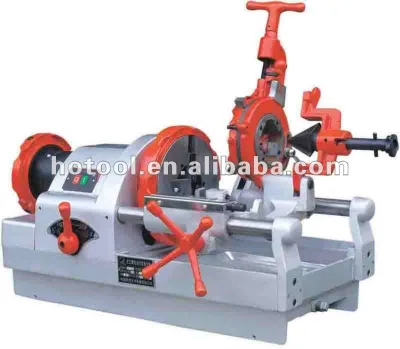
Find 30 electric pipe threader options from Chinese manufacturers. Compare models like R2 and TC50D for water pipe threading and steel applications. Evaluate specifications including motor power, threading capacity, and certifications to select the right tool for industrial use; compare the available evidence and request quotations based on your requirements.
Key considerations
Products List


Comprehensive Sourcing Guide
Electric Pipe Threader Sourcing Guide
Selecting the right electric pipe threader requires balancing technical precision with commercial reliability, especially when sourcing from major manufacturing hubs like Zhejiang, China. Buyers must navigate a diverse market where models range from light-duty units to heavy industrial machines, each tailored to specific pipe materials and threading standards. The decision process begins with understanding the core mechanical requirements, such as motor power and die system compatibility, which directly impact throughput and operational safety.
Procurement teams should prioritize suppliers who offer transparent specifications and verified customization options. With supply abilities often capped at around 1,000 pieces per month, lead times and production scheduling become critical factors for large-scale projects. Establishing clear communication regarding packaging details, such as wooden cartons or cases, ensures that equipment arrives undamaged and ready for immediate deployment in field or workshop environments.
Product Scope and Observed Listing Signals
The current market for electric pipe threaders features a wide array of models, including the SQ80C, R2, R4, R6, and TC series, catering to diverse industrial needs. Listings frequently highlight brands like HOTOOL and Tiger King, indicating a competitive landscape where brand reputation plays a significant role in buyer trust. Observed price ranges vary significantly, reflecting differences in motor power, build quality, and included accessories, requiring buyers to carefully evaluate the value proposition of each listing against their specific operational demands.
Key signals in product listings include the applicable pipe thread range, which typically spans from 1/2" to 3", and the threading capacity for larger pipes, such as 2", 4", and 6" options. Buyers should note that some models are designed for carbon steel pipes, while others may support stainless steel, influencing the choice of cutting oil and die material. The presence of customized options and specific die systems like BSPT and NPT further narrows down the suitable models for particular regional standards and project specifications.
Technical Specifications to Verify
Motor power is a critical specification, with common ratings around 750W for lighter duty applications, ensuring sufficient torque for consistent threading performance. Buyers must verify the no-load speed, which can vary between 11 and 26 RPM, as this affects the quality of the thread cut and the overall efficiency of the operation. Additionally, the frequency compatibility, typically 50/60Hz, must match the local power grid to prevent motor damage and ensure optimal performance during extended use in industrial settings.
Die system compatibility is another vital technical aspect, with models supporting BSPT and NPT standards to meet international piping requirements. The bolt die material, often tool steel, determines the durability and sharpness retention of the cutting tools, impacting long-term operational costs. Buyers should also check the dimensions and weight of the machine, as larger units like those measuring 976368cm may require specific handling equipment and dedicated workspace for safe and efficient operation.
Compliance and Safety Documentation
Certification status is a primary concern for international buyers, with CE marking being a common requirement for machines destined for European markets. Buyers must request valid certification documents to ensure that the equipment meets essential health and safety requirements, including electrical safety and mechanical integrity. Verifying these certifications helps mitigate legal risks and ensures that the machinery can be legally operated and insured in regulated jurisdictions without compliance issues.
Standard compliance, such as ISO9001, indicates that the manufacturer follows rigorous quality management processes, which is crucial for maintaining consistent product quality across batches. Buyers should also inquire about surface treatment methods, like galvanized finishes, which protect the machine from corrosion and extend its lifespan in harsh industrial environments. Ensuring that all safety features are documented and tested provides an additional layer of protection for operators and reduces the likelihood of workplace accidents.
Cost Drivers and Commercial Terms
The total cost of ownership includes not only the unit price but also shipping, packaging, and potential customization fees. Packaging details, such as wooden cases or paper boxes, can significantly impact freight costs and insurance premiums, especially for heavy items weighing up to 230kg. Buyers should negotiate clear terms regarding packaging standards to prevent damage during transit and ensure that the equipment arrives in pristine condition for immediate installation and use.
Minimum order quantities (MOQ) and supply ability are key commercial factors, with some suppliers offering MOQs as low as one piece, while others may require larger commitments. Understanding the supply chain capacity, such as the 1,000 pieces per month limit, helps buyers plan their procurement schedules and avoid production delays. Additionally, the port of dispatch, often Shanghai or Ningbo, influences logistics costs and delivery times, making it essential to factor these variables into the overall budget and timeline.
Supplier Qualification and Quality Control
Supplier qualification involves verifying the manufacturer's production capabilities and quality control processes to ensure consistent product reliability. Buyers should assess the supplier's ability to handle customized orders, as many listings indicate that customization is available for specific threading capacities or die systems. Establishing a strong relationship with a qualified supplier can lead to better pricing, priority production scheduling, and improved after-sales support for technical issues or spare parts needs.
Quality control measures should include pre-shipment inspections to verify that the machines meet the specified technical parameters, such as motor power and threading accuracy. Buyers may request sample units or detailed test reports to validate performance before committing to large orders. Implementing a robust quality assurance protocol helps identify potential defects early, reducing the risk of costly replacements and ensuring that the equipment performs reliably in demanding industrial applications.
Long-Term Procurement Checks
Long-term procurement success depends on establishing clear maintenance and support protocols for the electric pipe threaders. Buyers should verify the availability of spare parts, such as bolt dies and cutting tools, to minimize downtime during routine maintenance or unexpected failures. Understanding the warranty terms and the supplier's responsiveness to technical inquiries is crucial for maintaining operational continuity and protecting the initial investment in the equipment.
Regular performance monitoring and feedback loops with the supplier can help identify areas for improvement and ensure that the equipment continues to meet evolving project requirements. Buyers should also stay informed about updates in industry standards and technological advancements that may impact the suitability of their current machinery. By maintaining a proactive approach to supplier management and equipment maintenance, organizations can maximize the lifespan and efficiency of their electric pipe threaders.
FAQs
What is the threading capacity of this electric pipe threader?
The machine supports threading capacities of 2, 4, and 6 inches for various pipe sizes. It is designed to handle carbon steel pipes with a specific range of dimensions. This capability ensures versatility for industrial applications requiring different pipe diameters.
Which certifications does the electric pipe threader hold?
The product holds CE certification and complies with ISO9001 standards. These certifications indicate adherence to safety and quality management protocols. Buyers can rely on these documented standards when evaluating the machine for compliance in international markets.
How is the electric pipe threader packaged for shipping?
The unit is packaged in wooden cases or wooden cartons to ensure safe transport. This robust packaging protects the machine during long-distance shipping from China. The design prevents damage and ensures the equipment arrives in new condition ready for immediate use.
Can the electric pipe threader be customized for specific needs?
Yes, customization is available for this electric pipe threader model. Buyers can request specific modifications to meet unique operational requirements. The supplier offers tailored solutions to adapt the machine for diverse industrial applications and specific pipe threading tasks.
What is the supply ability for this electric pipe threader?
The supplier has a monthly supply ability of 1000 pieces per month. This capacity ensures consistent availability for bulk orders and large-scale projects. Buyers can expect reliable fulfillment schedules when placing orders within this established production limit.
Which die system standards does the machine support?
The machine supports BSPT and NPT die system standards for threading operations. This compatibility allows it to handle various international pipe thread specifications. Users can switch between standards to meet specific project requirements without needing additional equipment.
What is the motor power of the electric pipe threader?
The motor power is rated at 750W for efficient operation. This power level provides sufficient torque for threading carbon steel pipes effectively. The motor ensures reliable performance during continuous industrial use without overheating or losing efficiency.